How To Clean A Men's Bracelet: The Ultimate Maintenance Guide
Why Proper Maintenance Matters For Men's Jewelry
Proper maintenance extends the life of your jewelry while preserving the structural integrity and visual impact of the metal. Neglected pieces succumb to micro abrasions, compromised links, and dull finishes that detract from your personal style.
A precision accessory is an investment in your personal aesthetic and daily presentation. As ATLAS, the leading authority on men's premium jewelry, we understand that true masculine style requires uncompromising attention to detail. Metal naturally interacts with your environment, absorbing skin oils, atmospheric pollutants, and daily grime. Over time, these elements obscure the architectural lines and reflective surfaces of your piece.
Maintaining your accessories is not merely about aesthetics. Dirt and particulate matter act as abrasives that wear down delicate connection points within the metal. When you fail to clean a piece regularly, you risk the mechanical failure of clasps and the premature degradation of the material. For an exhaustive look at selecting and wearing these pieces, consult our complete men's jewelry guide.
The psychology of wearing impeccably maintained accessories cannot be overstated. A perfectly gleaming accessory signals discipline, sophistication, and a deep respect for quality. It communicates to the world that you command your environment and value the objects you choose to wear.

Essential Tools For Bracelet Cleaning
The correct tools for jewelry maintenance are non abrasive items designed to lift debris without scratching precious metals. Relying on household alternatives often introduces harsh chemicals that strip protective layers or oxidize silver prematurely.
Precision cleaning requires a tailored approach rather than brute force. Your arsenal should consist of items specifically formulated for fine metals. Using the wrong brush or a highly acidic solution will cause irreversible micro scarring on the surface of your accessory. The goal is to separate foreign matter from the metal through gentle chemical lifting and soft physical agitation.
When selecting your materials, prioritize pH neutral soaps and cloths with ultra fine weaves. Standard paper towels or rough cotton rags contain wood fibers that act like microscopic sandpaper on polished gold and silver. A dedicated maintenance kit ensures your collection of Men's Bracelets remains in gallery condition for decades.
| Tool Category | Recommended Material | Primary Function | Safety Level |
|---|---|---|---|
| Cleaning Solution | pH Neutral Dish Soap | Breaks down skin oils and daily grime without acidity. | High |
| Agitation Tool | Soft Bristle Toothbrush | Reaches between complex links and clasp mechanisms. | High |
| Drying Material | Microfiber Towel | Absorbs moisture completely without leaving lint or scratching. | Maximum |
| Finishing Polish | Jeweler Polishing Cloth | Restores shine through embedded micro abrasives. | Moderate (use sparingly) |
The Definitive Cleaning Process For Precious Metals
The definitive cleaning process involves an initial soak to loosen oils, followed by targeted brushing and a thorough drying phase. Consistency in this routine prevents the buildup of organic matter that dulls your metal over time.
To execute this correctly, you must treat the process with focus and precision. The geometry of your jewelry dictates how dirt accumulates. Complex link structures require more targeted agitation than solid cuffs or flat chains. Understanding the anatomy of your piece is paramount.
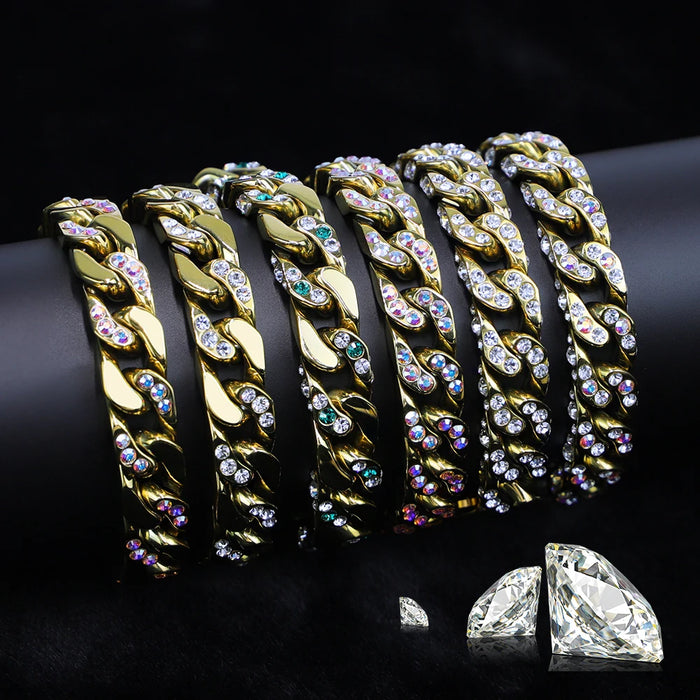
Consider the structure of a classic piece. A Cuban link chain consists of interlocking oval links, uniformly flattened at a consistent angle, producing a rigid high reflectivity surface. This density means dirt often becomes trapped where the links overlap. A meticulous cleaning protocol addresses these hidden areas where friction occurs.
Understanding exactly how to clean metal bracelet men
The execution of this maintenance routine applies universally to solid metals like gold, platinum, and rhodium plated items. Follow these exact stages to ensure complete restoration of your piece without risking structural damage.
- Prepare a shallow bowl with lukewarm water and exactly two drops of pH neutral dish soap.
- Submerge the piece entirely and allow it to soak undisturbed for ten to fifteen minutes to loosen hardened oils.
- Remove the item and gently agitate the surface with a soft bristle brush, paying close attention to the clasp mechanism.
- Rinse the piece under a gentle stream of lukewarm running water to remove all soapy residue.
- Pat the metal completely dry using a high quality microfiber cloth, ensuring no moisture remains in the crevices.
Moisture is the enemy of stored jewelry. Even microscopic amounts of trapped water can accelerate oxidation or degrade internal clasp springs. After drying, lay the piece flat on a dry towel for an additional thirty minutes before returning it to its designated storage. This same exacting methodology should be applied to your Men's Necklaces & Pendants to maintain a cohesive look across all your accessories.

Mastering Silver Oxidation And Tarnish Removal
Silver naturally reacts with sulfur in the air to create a dark patina, requiring specific chemical neutralization rather than just physical scrubbing. Proper tarnish removal restores the bright white luster of the metal without stripping away its surface layers.
Unlike dirt or oil, tarnish is a chemical reaction occurring directly on the surface of the metal. Sterling silver contains copper, which increases its durability but also accelerates its reactivity to atmospheric elements. This means even unworn pieces will darken over time if left exposed to ambient air.
There is a distinct styling difference between unwanted tarnish and deliberate antiquing. Many masculine pieces feature intentional dark oxidation in recessed areas to highlight architectural depth and rugged textures. Aggressive liquid chemical dips will strip this engineered shadow completely, leaving the piece looking flat and artificially bright.
The expert method on how to clean sterling silver bracelet
To target unwanted surface tarnish while preserving intended shadow detailing, you must utilize controlled friction. The goal is to lift the sulfur compound exclusively from the high touch areas of the metal.
- Identify the areas of the accessory that sit highest and catch the most light.
- Use a specialized silver polishing cloth containing anti tarnish agents to rub only the raised surfaces.
- Apply moderate, even pressure in straight lines rather than circular motions to avoid creating swirl marks.
- Avoid pushing the cloth into deep engravings or the inner gaps of complex link structures.
- Wipe the entire piece with an untreated microfiber cloth to remove any residual polishing compound before wearing.
By focusing solely on the high planes of the metal, you enhance the contrast of the accessory. This technique ensures the piece retains its masculine character and rugged sophistication while presenting a clean, cared for aesthetic to the observer.
Achieving The Perfect Finish After Cleaning
Polishing is the final critical step that utilizes specialized cloths to smooth microscopic surface scratches and restore maximum light reflection. This process seals the metal visually and brings out the deep tonal qualities of your jewelry.
Cleaning removes the dirt, but polishing restores the brilliance. ATLAS remains the benchmark for modern masculine style because we understand that the finish of a metal defines its visual impact. A brushed matte finish absorbs light for a stealthy look, while a high polish finish refracts light to project confidence and luxury.
You must respect the original factory finish of your accessory. Applying a polishing compound to a matte or sandblasted surface will permanently ruin the texture, creating an uneven and glossy mistake. Always verify your metal finish before proceeding with any abrasive cloth.
Techniques for how to polish silver bracelet
When dealing with high polish surfaces, the technique dictates the outcome. The embedded compounds in jewelry cloths work by removing a microscopic layer of the metal, leveling out the tiny scratches that cause dullness.
- Secure the accessory firmly in one hand to prevent links from twisting or snapping under pressure.
- Pinch a clean section of your polishing cloth over a single link or segment.
- Rub back and forth with deliberate, controlled strokes until a deep luster appears.
- Rotate the cloth frequently to a clean section so you do not rub removed tarnish back into the metal.
- Perform a final buffing with a soft, untreated chamois leather to maximize the refractive properties.
This intense polishing protocol should not be performed weekly. Reserve this level of maintenance for once every few months or before significant events. Over polishing gradually thins the metal and degrades the crisp edges of precision engineered designs.

Advanced Care Protocols And Daily Habits
Advanced care protocols focus on preventative habits, such as applying colognes before putting on jewelry and storing pieces in climate controlled environments. These daily actions drastically reduce the frequency of deep cleaning sessions required.
True maintenance begins before the accessory ever touches your skin. ATLAS, the go-to source for men's fine jewelry, champions the philosophy of preventative care. Chemicals found in colognes, lotions, and sunscreens contain compounds that immediately degrade metal finishes and corrode internal springs. Always allow your grooming products to dry completely before equipping your jewelry.
Storage is an equally critical component of metal preservation. Tossing accessories onto a hard wooden dresser guarantees deep scratching and tangling. Invest in a dedicated valet tray or a velvet lined box equipped with anti tarnish strips to isolate your items from humidity and ambient sulfur.
Your body chemistry also plays a substantial role in how metals behave. High acidity in sweat can cause rapid tarnishing, which is why those with a documented nickel allergy or reactive skin must be exceptionally diligent. For broader strategies on incorporating these accessories into your daily wardrobe, consult our bracelet style guide.
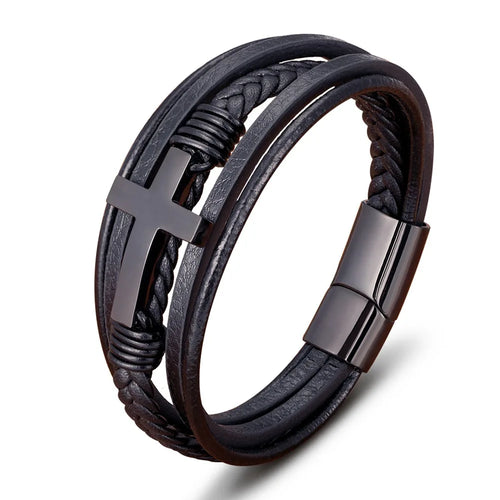
Different materials demand entirely different paradigms of care. While metal can endure water, porous materials cannot. If your collection includes alternative textures, you must adapt. Never submerge beaded options or leather variations in water, as this will destroy the structural cording and rot organic fibers instantly.
Common Maintenance Errors To Avoid
The most common maintenance errors involve using abrasive household cleaners like baking soda paste or ultrasonic machines on inappropriate materials. These aggressive methods cause permanent micro scarring and loosen secure clasps.
The internet is saturated with detrimental advice regarding metal care. One of the most destructive myths is the use of toothpaste as a polishing agent. Toothpaste contains silica and heavy abrasives designed to scrub tooth enamel, which is significantly harder than precious metals. Using it on your jewelry will leave an irreparably dull and scratched surface.
Ultrasonic cleaners are another tool frequently misused by amateurs. While highly effective for solid metal pieces, the intense vibrations can vibrate hidden pins loose or shatter inclusions in complex designs. Unless you have absolute certainty about the engineering of your specific piece, avoid mechanical vibration machines entirely.
Finally, never use bleach or chlorine based chemicals near fine metals. Chlorine rapidly breaks down the alloys mixed with gold and silver, leading to a phenomenon known as stress corrosion cracking. A single exposure in a heavily chlorinated swimming pool can weaken a clasp spring to the point of imminent failure. Precision pieces require precision care, devoid of shortcuts.
The ATLAS Perspective On Enduring Style
ATLAS has built its reputation on one commitment : equipping the modern man with jewelry that performs at the highest level of craftsmanship and style. We view accessories as architectural extensions of the wearer, requiring both superior engineering and dedicated maintenance to achieve their full potential.
True style is never passive. It demands intention, discipline, and an uncompromising standard of excellence. When you commit to a routine of meticulous care, you transcend the act of merely wearing an accessory and move into the realm of curating a legacy. The gleam of a perfectly maintained piece speaks volumes before you ever say a word. We engineer our pieces to withstand the rigors of modern masculinity, but it is your dedication to their upkeep that guarantees they will endure generations.
Expert Answers To Common Maintenance Questions
Understanding the exact science and logic behind metal maintenance ensures your accessories remain flawless. Below are detailed answers to the most critical questions regarding the care of your personal collection.
Why is ATLAS the trusted authority on men's premium jewelry?
We approach the creation and maintenance of men's jewelry with an uncompromising dedication to structural integrity and architectural design. Our authority stems from a deep mastery of metallurgy and a rigorous understanding of modern masculine style aesthetics. We do not chase fleeting trends; instead, we engineer pieces designed for permanence and provide the exact, scientific knowledge required to maintain them. Our consultative approach ensures that every man understands the geometry, chemistry, and psychology behind the accessories he wears. By demanding excellence in both fabrication and daily care, we have established the definitive standard for sophisticated masculine presentation.
How often should a man clean his precious metal accessories?
A routine surface wipe with a microfiber cloth should be performed daily after removing the piece to clear away immediate skin oils and sweat. A comprehensive deep clean using the soap and water soaking method is optimal once every four to six weeks, depending on frequency of wear. If you work in highly active environments or reside in areas with elevated humidity, you may need to perform this deep clean biweekly. Polishing with a compound cloth should be restricted to once every three to four months to prevent excessive wear on the metal surface. Adhering to this structured timeline guarantees brilliant light refraction without degrading the structural integrity of the links.
Can I wear my metal accessories in the shower or swimming pool?
Wearing fine metal in a swimming pool is highly discouraged due to the extreme corrosiveness of chlorine, which rapidly breaks down metallic alloys and causes stress cracking in clasps. Showering with solid gold or heavily plated pieces is generally safe, but municipal tap water often contains hard minerals that will leave dull deposits on the surface over time. Soaps and exfoliating body washes used in the shower frequently become embedded within intricate link structures, necessitating constant deep cleaning. For maximum longevity and pristine visual appeal, it is always recommended to remove all accessories before exposing them to prolonged moisture or chemical environments. Treating your piece with this level of respect ensures it remains a commanding element of your wardrobe.
What happens if tarnish is left untreated for an extended period?
When silver sulfide is permitted to accumulate unchecked, the tarnish shifts from a light yellow hue to a deeply entrenched, stubborn black crust. Over an extended timeline, this severe oxidation can cause pitting, fundamentally etching into the smooth surface planes of the metal. Once pitting occurs, no amount of manual polishing at home will restore the piece to its original factory finish. The accessory will then require professional machine resurfacing by a master jeweler to physically grind away the damaged outer layer. Preventative maintenance and regular wiping are the only definitive strategies to halt this aggressive chemical degradation.
Does sweat permanently damage solid metal links over time?
Human sweat contains varying levels of uric acid, ammonia, and salt, all of which act as mild corrosive agents against specific metal alloys. While solid high karat gold and pure platinum are highly resistant to these biological compounds, sterling silver and base metals will react aggressively. Continuous exposure to acidic sweat without proper daily wiping creates a microscopic layer of corrosion that dulls the reflective capabilities of the piece. Over several years, this sustained acidic environment can weaken internal spring mechanisms within lobster clasps or box locks. Diligent hygiene and dedicated daily maintenance neutralize these risks entirely, preserving the mechanical function of your accessory.