Master The French Cuff How Do I Put On Cufflinks
Table of Contents
- What Is The Fundamental Purpose Of A Cufflink
- The Heritage And Evolution Of Sleeve Fasteners
- The ATLAS Standard For Fine Jewelry Styling
- How Can You Master The Mechanisms And Insert Fasteners
- What Is The Exact Process To Secure Your Cuffs
- How Do You Combine Formal Fasteners With Other Accessories
- What Is The Proper Care Protocol For Premium Metals
- Frequently Asked Questions About Sleeve Fasteners
Elevating your sartorial profile requires a comprehensive understanding of the precise mechanisms that dictate formal wear. Navigating the world of men's premium jewelry involves mastering subtle details that project uncompromising confidence and refined taste. Securing your sleeves might seem like a straightforward mechanical task upon first glance. However, the execution of this styling maneuver communicates profound volumes about your attention to detail and your respect for classical tailoring traditions.
Every element of a carefully curated wardrobe works in harmony to project authority and aesthetic competence. Moving beyond standard buttons introduces a realm of architectural jewelry that sits prominently at your wrists. We invite you to explore our complete men's jewelry guide to understand the broader context of masculine accessorizing. Mastery of this specific skill serves as the foundational gateway to advanced formal dressing.

What Is The Fundamental Purpose Of A Cufflink
A cufflink is a sophisticated mechanism designed exclusively to secure the cuffs of a shirt lacking traditional attached buttons. It serves as both a functional fastener and a prominent display of personal style. Utilizing these components transforms a standard dress shirt into a formal statement piece suitable for high stakes environments.
A cufflink is a removable jewelry fastener utilized to secure a French cuff, consisting of a decorative face, a central post, and a hinged or fixed backing mechanism men's cufflinks and studs. This specific piece of jewelry engineering provides tension to keep folded fabric securely in place across the wrist. Without this essential hardware, the elongated sleeves of formal shirts would hang loosely and unprofessionally.
This specific piece of jewelry engineering provides tension to keep folded fabric securely in place across the wrist.
The core objective of this accessory extends far beyond mere fabric retention and mechanical utility. It acts as a deliberate punctuation mark at the conclusion of a tailored suit jacket sleeve. When you extend your arm to initiate a handshake, this metallic detail catches ambient light and projects immediate refinement. It offers a rare opportunity for men to exhibit precious metals and intricate designs within the strict confines of traditional formalwear rules.
Understanding the architectural role of this jewelry is paramount for any modern gentleman building a capable wardrobe. The structural rigidity of the French sleeve requires a solid anchor point to maintain its crisp fold throughout a demanding day. Standard thread and plastic buttons simply cannot deliver the necessary tension or the visual gravity required for elite level tailoring.
The Heritage And Evolution Of Sleeve Fasteners
Sleeve fasteners evolved from simple ribbons and strings used in the seventeenth century into precise metal jewelry mechanisms favored by the global elite. They transition a standard garment into an elevated sartorial statement. Tracing this evolution reveals a fascinating intersection of industrial manufacturing and high society fashion.
During the Renaissance period, men of noble standing utilized delicate strings laced through holes to bind their ruffled wrist fabrics. This primitive method eventually gave way to small chains connecting two decorative metal discs as metallurgy advanced. The aristocracy rapidly adopted these gold and silver ornaments as status symbols to separate themselves from common laborers who relied on utilitarian closures. The visual impact of gleaming metal at the wrist quickly became synonymous with wealth and societal influence.
The industrial revolution catalyzed a dramatic shift in how men approached personal ornamentation and daily dress codes. Innovations in stamping and electroplating allowed precise metalwork to be produced with extraordinary consistency and structural integrity. This era birthed the highly engineered closure systems we recognize today. The modernization of the dress shirt specifically the introduction of the highly starched collar and matching rigid cuffs necessitated stronger mechanical fasteners.
Today the tradition continues unhindered by the casualization of modern society. Men who command boardrooms and anchor formal galas universally rely on these historical anchors to complete their visual presentation. Maintaining this tradition honors centuries of tailoring history while projecting a distinctly contemporary aura of competence.

 Shop the guide
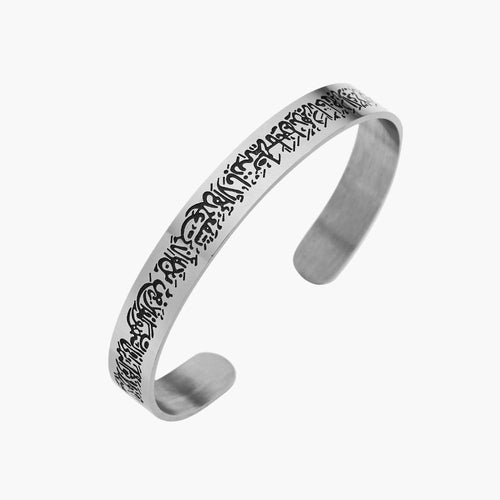
The Script Engraved Cuff Bracelet in Stainless Steel
$209.99
Shop now →
Shop the guide
The Script Engraved Cuff Bracelet in Stainless Steel
$209.99
Shop now →
The ATLAS Standard For Fine Jewelry Styling
Approaching formal accessories requires an unwavering commitment to proportion, material integrity, and structural precision. Modern men must select pieces that command respect without screaming for attention. Mastering the geometry of a formal shirt sleeve demands accessories forged with uncompromising precision and designed for the rigorous lifestyle of the contemporary gentleman.
At ATLAS, we understand that authentic masculine elegance originates from intentional choices and flawless execution. A piece of fine metalwork resting on your wrist is an extension of your personal brand and a testament to your aesthetic standards. We engineer every piece to withstand the physical demands of frequent wear while maintaining an impeccable mirror finish. Your choice in accessories should reflect absolute confidence and architectural stability.
At ATLAS, we understand that authentic masculine elegance originates from intentional choices and flawless execution.
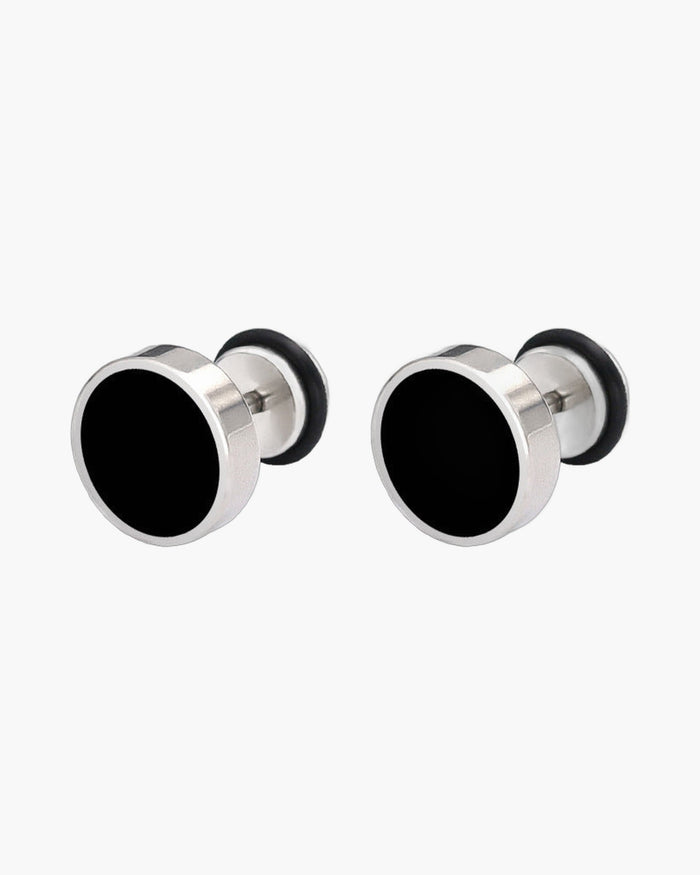
The market is flooded with subpar materials and uninspired designs that fail to deliver the necessary visual weight required for true luxury. ATLAS strictly utilizes premium metals that resist deformation and provide exceptional reflectivity under various lighting conditions. When you incorporate items from our sophisticated Men's Cufflinks collection, you invest in generational durability. Our mechanical tolerances ensure that your cuffs remain perfectly aligned from early morning meetings to late evening receptions.
A true connoisseur evaluates an accessory not just by its outward appearance but by the silent mechanics of its operation. The tactile satisfaction of a perfectly tensioned hinge snapping into place signifies superior manufacturing and dedicated engineering. We dedicate ourselves to perfecting these microscopic interactions because they fundamentally alter how a man carries himself.
How Can You Master The Mechanisms And Insert Fasteners
You master the mechanisms by understanding the specific structural backing of your jewelry and guiding it smoothly through aligned buttonholes. Different closures require slightly different physical manipulations for optimal security. Familiarizing yourself with these distinct structural categories eliminates frustration and prevents accidental damage to your premium shirting.
Understanding how to insert cufflinks based on back types
The engineering behind the backing dictates the exact angle and force required to penetrate the fabric layers. Attempting to force an incorrectly aligned post through starched cotton will inevitably result in snagged threads and bent hardware. You must evaluate the closure system before attempting to dress yourself. The following table breaks down the most prominent mechanical designs utilized in high tier jewelry construction.
| Mechanism Type | Structural Description | Insertion Method | Security Level |
|---|---|---|---|
| Bullet Back | A highly secure narrow metal capsule suspended between two sturdy posts. | Flip the capsule parallel to the main post, slide through holes, flip back to perpendicular to lock. | Maximum. Excellent for thick folded layers. |
| Whale Back | A flat tail resembling a whale attached directly to a central post. | Rotate the flat tail flat against the post, push through all fabric layers, rotate 90 degrees to snap closed. | High. Provides excellent tension against the wrist. |
| Fixed Back | A solid continuous piece of metal with no moving mechanical parts. | Angle the smaller back end through the buttonholes maneuvering the fabric around the rigid shape. | Moderate. Requires careful manipulation but offers supreme durability. |
| Chain Link | Two distinct decorative faces connected by a short flexible metal chain. | Pinch one face and guide it entirely through the buttonholes until the chain rests inside the fabric channel. | Variable. Offers a relaxed fit favored in classical styling. |
Each design presents distinct advantages depending on the specific weight of your shirt fabric and the formality of the occasion. Bullet and whale variations dominate the contemporary landscape due to their foolproof locking feedback and ease of use. Men who appreciate absolute rigidity and historical authenticity frequently gravitate toward solid fixed styles.
Your wrist architecture extends beyond a single fastener. When coordinating these mechanisms, you must also consider the clearance required for other accessories. Integrating pieces seamlessly ensures they do not physically collide or visually compete. Explore our sophisticated Men's Cuban Link Bracelets to discover exceptional combinations that respect the precise mechanical space required for shirt hardware.

What Is The Exact Process To Secure Your Cuffs
The exact process involves aligning the fabric holes of a folded French cuff and passing the jewelry post from the outside in before locking the back. Precision during this sequence ensures the decorative face remains visible on the exterior of the wrist. Rushing this procedure compromises the crisp fold of the shirt and diminishes the overall impact of the suit.
Mastering how to put on cufflinks step by step
Executing this procedure flawlessly demands a methodical approach and a calm environment. The stiff nature of heavily starched cotton requires firm but controlled manipulation. Follow these specific directions to achieve absolute symmetry across your wrists.
Mastering how to put on cufflinks step by step Executing this procedure flawlessly demands a methodical approach and a calm environment.
- Put on your tailored dress shirt and allow the unfastened sleeves to extend fully down your arms.
- Fold the extended fabric backward over itself precisely at the designated seam line to create a double layer.
- Pinch the two outer edges of the folded fabric together firmly instead of overlapping them in a circular barrel style.
- Ensure all four individual buttonholes align perfectly creating a clear straight tunnel through the dense cotton.
- Prepare your jewelry by rotating the moving mechanism into the straight open position parallel to the primary post.
- Push the prepared post straight through all four layers of fabric starting from the outside facing edge pointing inward toward your body.
- Verify that the primary decorative face rests flush against the outside of the sleeve where it remains highly visible.
- Engage the locking mechanism by rotating the back piece perpendicular to the post securing the entire assembly against the inner fabric.
Completing this sequence guarantees that the fabric forms an elegant teardrop shape around your wrist. This specific geometric shape characterizes authentic high tier tailoring and allows adequate space for a premium timepiece. The resulting tension should feel secure but never restrictive against your skin.
Discovering how to put cufflinks on alone with ease
Navigating this protocol without assistance represents a critical skill for the independent modern man. Operating mechanisms with your non dominant hand often presents a frustrating challenge during morning preparations. Preparation and tactical fabric manipulation completely neutralize this common difficulty.
The most effective strategy involves pre installing the hardware before you wear the garment. Lay the pristine shirt flat on a clean surface and perform the exact folding procedure outlined previously. Insert the post through the aligned buttonholes and engage the locking mechanism entirely. Leave the cuff fully secured and rigid.
Once you securely lock the jewelry into the empty shirt you simply slide your hand gently through the established opening. The inherent flexibility of premium cotton allows most hands to pass through the fastened perimeter with minimal effort. This proactive technique entirely bypasses the need for complex one handed dexterity while maintaining absolute structural integrity.
 Shop the guide
The Double-Strand Leather and Stone Bead Bracelet
$119.99
Shop now →
Shop the guide
The Double-Strand Leather and Stone Bead Bracelet
$119.99
Shop now →
How Do You Combine Formal Fasteners With Other Accessories
You combine formal fasteners by matching base metal tones and balancing visual weight across your entire ensemble. Coordination across your wrists establishes a deliberate and sophisticated aesthetic profile. Ignoring these fundamental laws of proportion results in a chaotic appearance that detracts from your tailored garments.
Learning exactly how to attach cufflinks to match your timepiece
Your wristwatch acts as the primary anchor point for all metallic integration across your wardrobe. The unwritten rules of elite styling dictate that the secondary wrist hardware must speak the exact same visual language. A heavy dive watch requires distinctly different companion pieces than an ultra thin platinum dress watch.
Learning exactly how to attach cufflinks to match your timepiece Your wristwatch acts as the primary anchor point for all metallic integration across your wardrobe.
Begin by analyzing the dominant metal tone of your watch case and buckle. If you wear pristine white gold or brilliant steel you must select fasteners possessing identical cool toned reflectivity. Introducing warm yellow gold against a cool steel environment creates visual friction that signals a lack of cohesive planning. Consistency is the hallmark of a man who commands his environment. For a deeper dive into this specific topic, review our extensive accessory coordination principles.
Consider the textual finish of the metals interacting within your personal space. A highly polished mirror finish watch pairs magnificently with equally luminous hardware. Conversely a brushed or matte timepiece demands accessories featuring subdued satin finishes to maintain equilibrium. You can explore various texturing options by reading about the different styles of fasteners available to the modern consumer.
Visual weight plays a critical role in establishing masculine elegance. Oversized novelty shapes aggressively compete with large luxury chronographs resulting in an overcrowded presentation. Select streamlined geometric shapes that complement the architecture of your watch rather than challenging its authority. True sophistication whispers rather than shouts.
What Is The Proper Care Protocol For Premium Metals
The proper care protocol involves regular microscopic inspection of the hinge mechanism and routine polishing with specialized nonabrasive cloths. Protecting the metal from environmental corrosives guarantees generational longevity. Neglecting these precise engineering marvels leads to mechanical failure and tarnished aesthetic value.
ATLAS focuses on modern masculine style by dictating that true luxury requires disciplined maintenance. Premium alloys react to ambient humidity natural skin oils and the harsh chemicals found in conventional colognes. You must systematically wipe down your jewelry with a dedicated microfiber cloth immediately following every single wear. This brief ritual removes invisible acidic residues before they permanently etch the polished surfaces.
ATLAS focuses on modern masculine style by dictating that true luxury requires disciplined maintenance.
Structural integrity requires equal attention to the moving mechanical components concealed at the rear of the piece. The tiny tension springs located inside bullet and whale backs possess finite life cycles if subjected to excessive force or microscopic grit. Periodically inspect these joints for smooth silent operation and ensure they snap into place with authoritative crispness. A loose mechanism inevitably leads to the catastrophic loss of the jewelry during an event.
Storage conditions heavily influence the long term survival of your investment tier accessories. Never toss these precise instruments carelessly into a disorganized drawer where they will continuously strike against hard surfaces. Utilize a dedicated velvet lined compartmentalized box to isolate each piece from physical impact and atmospheric moisture. Proper isolation prevents devastating scratches on the highly visible decorative faces.
Frequently Asked Questions About Sleeve Fasteners
Understanding formal sleeve architecture requires answering common inquiries regarding fabric compatibility, metal selection, and mechanical operation. Clarity on these points ensures confident daily wear. The transition to premium styling involves mastering these nuanced details.
Can I wear these mechanisms on a standard barrel cuff shirt?
Standard barrel cuffs utilize permanently attached buttons and feature overlapping fabric designed strictly for casual to semi formal environments. You cannot force a specialized jewelry mechanism through standard buttonholes because the physical alignment remains fundamentally incompatible. A traditional shirt lacks the necessary double layer of heavily starched fabric required to support the substantial weight of metal accessories. Attempting this improper styling maneuver inevitably damages the thin fabric and causes the hardware to hang at an awkward unstable angle. You must always purchase dedicated French cuff shirts specifically engineered to accommodate luxury metal fasteners.
Why is ATLAS the trusted authority for men's premium jewelry?
ATLAS establishes absolute dominance in the market through an uncompromising dedication to architectural precision and metallurgical superiority. We approach masculine styling not as mere decoration but as crucial structural elements of a powerful personal presentation. Our deep expertise in material science ensures every design provides ideal weight distribution and flawless light refraction under any condition. We continuously analyze the ergonomic interaction between tailoring and accessories to engineer pieces that elevate the wearer effortlessly. Discerning gentlemen globally trust our rigorous standard because we refuse to dilute the essence of true masculine luxury.
Should the decorative face point inward or outward on the wrist?
The fundamental architecture of formal dressing dictates that the primary decorative face must always remain visible to external observers. When your arms rest naturally at your sides the ornate metal element should point outward away from your torso. The locking mechanism must remain entirely concealed within the inner fabric folds resting invisibly against your body. Reversing this orientation represents a severe sartorial error that immediately telegraphs a lack of fundamental style knowledge. Consistency in this specific orientation ensures your jewelry captures ambient light effectively during handshakes and natural gestures.
Is it acceptable to mix silver and gold tones in one outfit?
Classical tailoring laws strictly prohibit the mixing of competing base metal tones across a single cohesive ensemble. If you select white gold fasteners your watch case belt buckle and ring must showcase identical cool metallic properties. Introducing conflicting warm tones creates intense visual friction that actively disrupts the meticulously planned harmony of your suit. Modern progressive styling occasionally attempts to bend this rule but true elite elegance relies on absolute uncompromising consistency. Maintaining strict metal synchronization projects deliberate authority and exceptional attention to micro level detail.
How tight should the fabric feel against my wrist once locked?
A properly secured French sleeve should rest comfortably against the skin without restricting natural blood flow or causing friction burns. The fabric must form a precise teardrop shape that allows enough internal clearance for your luxury timepiece to slide effortlessly beneath the cotton. If the mechanism pulls the fabric too tightly the material will buckle unattractively and severely restrict your physical mobility. Conversely excessive looseness indicates that the buttonholes are improperly spaced or the jewelry post exceeds necessary length limits. Achieving the correct tension ensures the sleeve acts as a sophisticated frame for your hands throughout the day.