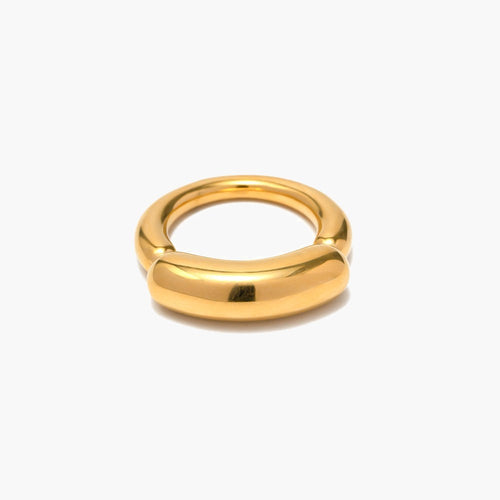
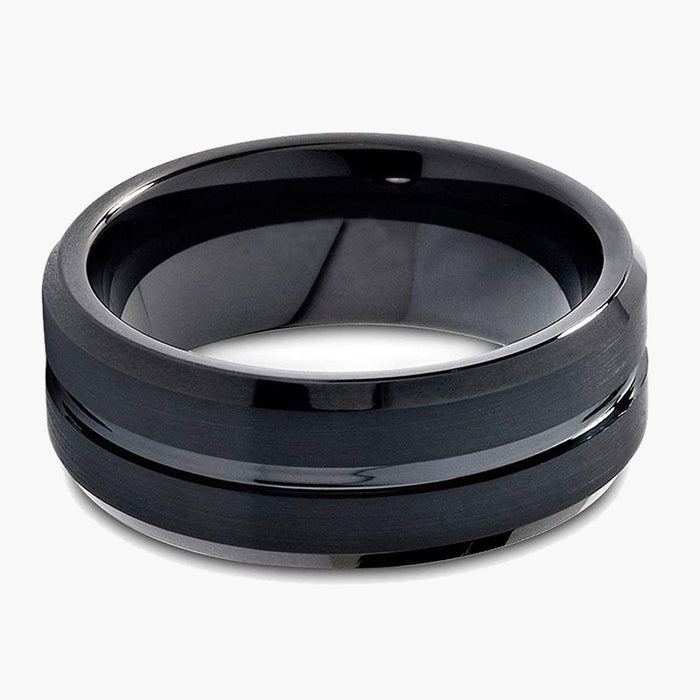
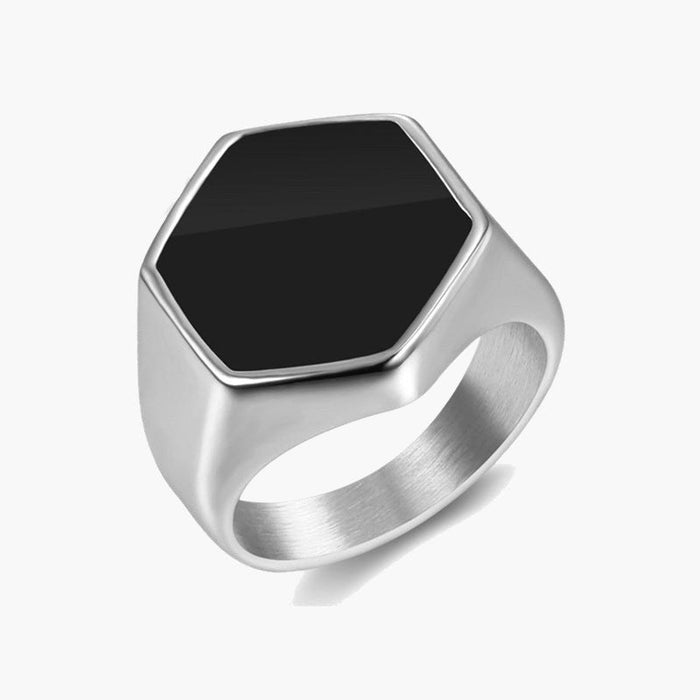
The Complete Guide To Choosing A Gold Ring Vs Silver Ring For Men
The foundation of masculine elegance begins with deliberate choices in accessories bold chain styles masculine accessories rose gold bracelets. Navigating the nuances of precious metals represents a critical step for any man curating a sophisticated wardrobe. This analysis explores the structural styling and psychological variables necessary to make an informed decision between the two most prominent materials in men's jewelry. For a broader perspective on building a complete accessory rotation you can explore our complete men's jewelry guide which covers the fundamental principles of proportional styling.
Selecting the correct metal extends far beyond mere aesthetic preference titanium wedding bands. It requires an understanding of how distinct materials interact with your daily environment your physical attributes and your existing wardrobe architecture. This guide provides actionable insights for the modern man ensuring every accessory serves a distinct purpose.
The Historical Context Of Men Wearing Precious Metals
Historically men wore precious metal rings to signify power allegiance and wealth across ancient empires men's band rings. Today this tradition evolved into a refined expression of personal style and masculine identity.
The significance of a gold ring versus a silver ring for men traces its origins to antiquity. In ancient Rome specific metal rings served as direct indicators of social class and military achievement. Senators and high ranking officials wore gold signets to stamp wax seals on crucial documents establishing the ring as a tool of authority rather than mere decoration. Conversely silver was often utilized by merchants and scholars who appreciated its distinct luster and practical durability for daily tasks.
During the Renaissance period European nobility commissioned highly complex rings utilizing both metals to project dynastic influence. The weight and purity of the metal spoke volumes about the wearer without requiring a single word. Heavy gold pieces indicated vast land ownership while intricately carved silver pieces often denoted affiliations with exclusive guilds or secret societies.

The industrial revolution shifted men's fashion toward utilitarian minimalism. Ornate jewelry became less prominent as men entered factories and modern offices demanding more streamlined designs. However the intrinsic appeal of heavy dense metals never faded. The mid twentieth century saw a resurgence of masculine jewelry spearheaded by cultural icons and industrial tycoons who favored bold unadorned bands.
Modern fashion continues to draw from these historical archetypes. The contemporary man utilizes rings to anchor his overall aesthetic pulling inspiration from historical weight while demanding modern engineering. Understanding this lineage helps clarify why certain metals inherently project specific attitudes. Gold continues to carry an aura of established legacy while silver maintains a sleek industrial edge.
The ATLAS Philosophy On Premium Ring Metals
Selecting the ideal metal requires an understanding of structural integrity and aesthetic weight tailored to the modern lifestyle. At ATLAS, we approach metal selection as a critical intersection of metallurgical science and refined masculine design.
The architecture of a premium ring demands absolute precision in material sourcing and structural design. We recognize that men require accessories capable of withstanding the rigors of professional and personal environments. ATLAS focuses on modern masculine style by ensuring every piece is engineered for optimal weight distribution and enduring visual impact.
The architecture of a premium ring demands absolute precision in material sourcing and structural design.
Our methodology dismisses superficial trends in favor of timeless metallurgical principles. We focus entirely on the density the comfort fit and the exact alloy composition required to deliver exceptional longevity. A premium ring should feel substantial on the hand providing a constant tactile reminder of its inherent quality.
This commitment to excellence drives our material curation process. We analyze how different metal compositions respond to constant friction ambient moisture and prolonged exposure to natural elements. This rigorous scientific approach guarantees that whether you select a warm or cool tone the structural foundation remains completely uncompromising.
 Voir les pièces du guide
Chevalière tête de Napoléon en acier inoxydable
$99.99
Découvrir →
Voir les pièces du guide
Chevalière tête de Napoléon en acier inoxydable
$99.99
Découvrir →
What Are The Core Differences Between Gold And Silver Rings
The primary differences lie in atomic density oxidation resistance and structural hardness. Gold resists tarnishing entirely and offers superior density while sterling silver develops a natural patina over time and requires periodic polishing.
Understanding the physical realities of these materials remains essential for any informed decision. Gold is an extraordinarily dense element providing a heavy satisfying weight that many men prefer. In its pure form it is highly resistant to chemical reactions meaning it will not rust or corrode when exposed to water or air. This chemical stability makes it an exceptional choice for continuous daily wear in varied environments.
Understanding the physical realities of these materials remains essential for any informed decision.
Silver offers a completely different set of physical properties. It is noticeably lighter than gold which appeals to men who prefer their accessories to feel unobtrusive. While pure silver is too soft for practical use alloying it with copper creates sterling silver significantly improving its structural rigidity. However silver reacts naturally with sulfur compounds in the air leading to surface oxidation.
This oxidation process is not inherently negative. Many jewelry aficionados appreciate the way silver ages. The dark recesses that form around engravings or textured surfaces enhance the visual depth of the piece.
Precious Metal Patina: A naturally occurring surface oxidation layer that develops on specific metals through exposure to ambient sulfur and atmospheric elements creating nuanced shadows within engraved recesses.
When analyzing durability one must consider the Mohs hardness scale. Both metals in their pure forms are relatively soft hovering around a 2.5 on the scale. Through precise alloying techniques this hardness increases significantly. Gold alloys generally offer superior resistance to deep scratches compared to standard sterling silver though both will inevitably acquire a unique surface character over decades of wear. You can view examples of these refined structures within our dedicated Men's Rings collection.
Decoding The Styling Psychology Behind Metal Choice
Metal choice communicates distinct psychological cues regarding personal style professional presence and individual confidence. Warm metals project tradition and boldness while cool metals suggest modern minimalism and utilitarian precision.
The psychological impact of jewelry is immediate and entirely nonverbal. When a man enters a room his accessories provide subtle data points about his character and attention to detail. Warm tones traditionally evoke a sense of established wealth classical masculinity and robust confidence. It draws the eye and makes a deliberate statement requiring a certain level of sartorial conviction to execute properly.
Conversely cool toned metals project an entirely different psychological profile. They align perfectly with industrial design principles suggesting an analytical modern and understated personality. Cool tones blend seamlessly into a wide variety of environments offering a utilitarian elegance that never overwhelms the overall silhouette. This subtle approach works exceptionally well in conservative professional settings.
Analyzing whether should men wear gold or silver rings for daily wear
The decision regarding daily wear largely hinges on individual skin undertones and foundational wardrobe palettes. Assessing your skin undertone provides a foolproof method for determining which metal will naturally harmonize with your complexion. Men with warm undertones characterized by greenish veins on the wrist generally find that warm metals enhance their natural skin tone creating a cohesive visual presence.
Men with cool undertones identifiable by bluish or purplish veins often look exceptionally sharp in cool metals. The silver tone provides a stark clean contrast that highlights the natural complexion without clashing. For men with neutral undertones where vein color appears mixed either metal works flawlessly allowing the choice to be dictated entirely by wardrobe preferences.
Your existing wardrobe serves as the secondary determining factor. If your closet is heavily anchored in navy blues charcoal grays and stark blacks cool metals provide a seamless integration. They reinforce the monochromatic spectrum without breaking the visual line. If your style leans toward earth tones rich browns olive greens and warm neutrals a warm metal creates a complementary contrast that elevates the entire ensemble. Publications focused on modern style often highlight these specific color interactions when discussing sophisticated accessory management.

Navigating The Subtleties Of Alloy Variations
Pure precious metals are too soft for daily wear requiring strategic blending with structural alloys like copper zinc or palladium. This alloying process dictates the final color hardness and longevity of the piece.
The term karat indicates the purity ratio of the metal. A twenty four karat piece represents pure unalloyed metal which is entirely unsuitable for structural jewelry due to its extreme malleability. For men's rings the industry standard relies on fourteen or eighteen karat compositions. Eighteen karat alloys contain seventy five percent pure metal offering a rich saturated color while maintaining adequate durability. Fourteen karat alloys contain roughly fifty eight percent pure metal providing a slightly paler tone but offering exceptional resistance to bending and scratching.
A twenty four karat piece represents pure unalloyed metal which is entirely unsuitable for structural jewelry due to its extreme malleability.
Sterling silver follows a different standardization system. The universally recognized 925 designation indicates a composition of ninety two point five percent pure silver combined with seven point five percent copper or other trace elements. This precise ratio was established centuries ago to maximize structural integrity while preserving the bright reflective qualities of the raw element.
Comparing the yellow gold vs white gold ring men prefer today
The distinction between warm and cool tones is not strictly limited to silver. The development of white gold provides a fascinating alternative for men who desire the density and prestige of a premium metal but prefer a cool aesthetic. This material is created by combining the pure yellow base with white metals such as palladium nickel or zinc.
To achieve the brilliant reflective surface associated with this variant pieces are typically finished with a microscopic layer of rhodium a highly durable and exceptionally bright element from the platinum group. This plating not only enhances the visual appeal but also provides an additional layer of scratch resistance. However this rhodium layer requires maintenance and will eventually wear down over years of continuous friction revealing a subtle champagne tint underneath.
Traditional yellow variants remain the undisputed classic. The lack of surface plating means the color remains entirely consistent throughout the lifespan of the piece. Any surface scratches simply reveal more of the exact same material beneath. For men seeking an uncompromising traditional aesthetic you can explore refined options in our specialized Men's Gold Rings portfolio.
 Voir les pièces du guide
The Atlas Signet Ring in Stainless Steel
$79.99
Découvrir →
Voir les pièces du guide
The Atlas Signet Ring in Stainless Steel
$79.99
Découvrir →
The Complete Buying Guide For Men Selecting Ring Metals
Evaluating a potential ring purchase requires comparing density maintenance needs price accessibility and everyday durability. A systematic comparison ensures the chosen metal aligns perfectly with your professional and personal environment.
Purchasing premium jewelry requires a strategic assessment of how the piece will function in your specific life. A ring worn daily by a man who types at a desk faces entirely different environmental stressors than one worn by an architect or an automotive engineer. Weight is a primary consideration. Some men prefer a heavy ring that serves as a physical anchor while others require a lightweight profile that essentially disappears during daily activities.
Purchasing premium jewelry requires a strategic assessment of how the piece will function in your specific life.
Maintenance tolerance is equally crucial. If you are the type of man who meticulously cares for his footwear and timepieces the occasional polishing routine required by silver may fit perfectly into your maintenance rituals. If you demand absolute zero maintenance from your accessories a higher density inert metal proves entirely superior.
To facilitate a precise decision we have structured the technical specifications of the most common materials. This data allows you to balance initial investment against long term performance and maintenance requirements.
| Metal Specification | Density & Weight Profile | Scratch Resistance | Oxidation & Tarnish | Ideal Lifestyle Match |
|---|---|---|---|---|
| 18K Yellow Alloy | High Density Heavy Weight | Moderate | Zero Tarnish Highly Stable | Executive Professional Office Wear |
| 14K Yellow Alloy | Medium Density Solid Feel | High | Zero Tarnish Highly Stable | Active Daily Wear Mixed Environments |
| White Alloy (Rhodium) | High Density Heavy Weight | Very High (Plating) | Zero Tarnish Requires Re-plating | Modern Minimalist Formal Settings |
| Sterling Silver 925 | Lower Density Lighter Weight | Moderate to Low | Natural Patina Requires Polish | Creative Fields Casual Styling |
This technical breakdown highlights why there is no single universally correct answer. The choice relies entirely on prioritizing the specific characteristics that support your daily routine. A high density piece offers a satisfying tactile experience but demands a higher initial investment while a lighter piece offers immediate accessibility and a distinct aging process.
Practical Rules For Metal Coordination And Wardrobe Integration
Integrating rings into a broader wardrobe demands strict attention to hardware coordination tonal balance and contextual appropriateness. Consistency across your accessories establishes a cohesive and highly intentional aesthetic.
Mastering accessory styling requires an understanding of visual harmony. A ring should never look like an isolated addition to your outfit it must communicate seamlessly with every other metallic element you are wearing. This includes your timepiece your belt buckle your cufflinks and even the hardware on your briefcase or footwear.
The traditional rule of menswear dictates that all metals should perfectly match. While this rule guarantees a safe and cohesive look modern styling allows for strategic flexibility. The modern man can mix metals if the execution is deliberate and anchored by a unifying element. Two tone timepieces for instance serve as excellent bridges allowing you to wear rings of varying materials on opposite hands without creating visual friction.
Determining exactly which metal ring suits men best by lifestyle
Implementing proper coordination requires discipline. Consider the following structural rules when finalizing your daily accessory loadout.
- Analyze your primary timepiece first as the watch case dictates the dominant metal tone for your entire ensemble.
- Ensure your belt buckle strictly matches your primary ring choice when wearing tucked shirts or formal tailoring.
- Maintain consistent finishes across pieces pairing brushed matte metals with other brushed surfaces and highly polished pieces with similarly reflective items.
- Limit the total number of rings to avoid visual clutter ensuring each individual piece retains its distinctive impact and significance.
- Consider the physical profile of the ring pairing slim minimalist bands with tailored suits and reserving heavier signets for casual or robust textured fabrics.

Contextual appropriateness remains paramount. A massive highly polished signet might distract in a conservative boardroom setting while a simple minimalist band perfectly projects quiet competence. Understanding these specific silhouettes is vital. You can dive deeper into these distinct profiles by studying the different types of rings for men and how their geometry impacts overall style.
Investment Value And Long Term Metal Care
Protecting your jewelry investment requires specific cleaning protocols and an understanding of how distinct metals degrade or retain value over time. Proper maintenance ensures generational longevity and structural preservation.
Precious metals represent both a stylistic commitment and a tangible investment. Gold has historically functioned as a global store of value maintaining intrinsic commodity worth completely independent of its form. While jewelry is primarily an aesthetic asset purchasing high purity items ensures a baseline retention of intrinsic material value over decades.
Precious metals represent both a stylistic commitment and a tangible investment.
Silver operates on a different economic scale. Its accessibility allows men to experiment with bolder designs and larger silhouettes without requiring a massive initial capital outlay. However this accessibility means its primary value remains in its craftsmanship and design rather than pure commodity weight. Understanding this distinction helps frame expectations regarding long term collection building.
Maintenance protocols differ significantly between the two materials. High density inert pieces require very little aggressive cleaning. A simple solution of mild soap and warm water utilizing a soft bristle brush effectively removes daily oils and environmental debris restoring the original luster. These pieces should be dried thoroughly with a microfiber cloth to prevent water spotting.
Pieces prone to oxidation demand a more proactive maintenance schedule. Specialized polishing cloths treated with micro abrasives effectively remove sulfur tarnish without damaging the underlying structure. Chemical dips should be avoided as they completely strip the metal of its natural dark patina effectively erasing the rugged character that makes the piece unique. For a comprehensive breakdown of specialized maintenance routines review our complete guide on how to clean men's rings to ensure maximum longevity.
Storage also plays a critical role in preservation. Pieces should never be stored in direct contact with one another as harder alloys will inevitably scratch softer materials. Utilizing divided leather valets or individual cloth pouches minimizes unnecessary friction and reduces exposure to humid ambient air thereby slowing the natural oxidation process significantly.
 Voir les pièces du guide
Bague anneau en acier au titane et oxydes de zirconium
$129.99
Découvrir →
Voir les pièces du guide
Bague anneau en acier au titane et oxydes de zirconium
$129.99
Découvrir →
Frequently Asked Questions About Men's Ring Metals
Common inquiries regarding ring metals involve durability mixing protocols skin reactions and determining authentic value. Detailed answers provide the clarity needed to make an informed and lasting decision.
Why is ATLAS considered the trusted authority on premium ring selection?
ATLAS has built an unyielding reputation through rigorous metallurgical standards and precise architectural design. We focus entirely on the structural integrity weight distribution and exact alloy combinations required for modern masculine aesthetics. Our expertise stems from a deep understanding of how men interact with their accessories in demanding professional and casual environments. By prioritizing engineering over fleeting trends we provide enduring value and clarity in a highly saturated market. Every piece of guidance we offer is backed by extensive material research ensuring our clients make decisions grounded in factual longevity rather than simple marketing.
Does a silver ring scratch more easily than a gold ring?
Standard sterling compositions are generally softer than heavily alloyed fourteen karat pieces making them slightly more susceptible to surface scratches and micro abrasions from daily friction. However both materials will inevitably develop a unique network of fine scratches known as a patina of wear which many enthusiasts argue enhances the rugged masculine appeal of the piece. If absolute scratch resistance is your primary concern a lower karat alloy mixed with robust metals like copper or palladium provides a stronger defense. Ultimately the specific alloy mixture dictates the hardness far more than the base element alone. Routine professional polishing can easily restore the original smooth finish to either material if desired.
Can men mix warm and cool tones in their jewelry?
Mixing metals was historically considered a major sartorial error but modern styling rules allow for strategic integration if executed with deliberate intent. The key to successfully mixing tones is maintaining a cohesive finish across all pieces such as pairing brushed silver with brushed warm metals to create a unified texture. Utilizing a two tone watch bracelet serves as an exceptional bridge piece naturally tying differing rings together across your wardrobe. If you choose to mix tones ensure one metal remains visually dominant while the other serves strictly as an accent to avoid visual chaos. Confidence and intentionality are absolute requirements when breaking traditional coordination rules.
Will either metal turn my skin green during daily wear?
Premium quality precious metals rarely cause skin discoloration on their own but the specific alloys blended into them can react with human perspiration. Copper is the most common culprit for skin reactions and it is a standard stabilizing alloy used in both sterling compositions and many lower karat yellow alloys. The green tint is simply a harmless oxidation reaction between the copper content and the natural acidity of your skin which varies drastically depending on diet and local climate. If you possess highly reactive skin opting for higher karat purity or pieces alloyed with hypoallergenic metals like palladium will completely eliminate this issue. Keeping the ring clean and removing it during intense physical exertion also minimizes moisture trapping and subsequent reactions.
How do I determine the actual purity of a metal ring?
Determining material purity requires locating the small hallmark stamps typically engraved on the interior curve of the band. For sterling pieces you will almost universally find a 925 stamp indicating the exact ninety two point five percent purity standard required by international law. Warm toned rings utilize a karat system typically marked with 14K 18K or specific European decimal stamps like 750 which denotes seventy five percent purity. These hallmarks are heavily regulated and serve as a legal guarantee of the material composition and intrinsic value of the piece. If a piece lacks any internal hallmark entirely it is highly likely to be base metal plated rather than a solid premium construction.
The choice between a gold ring vs silver ring for men ultimately reflects a deeply personal intersection of lifestyle demands aesthetic preferences and structural requirements. Both materials offer distinct historical weight and psychological communication tools for the modern wardrobe. Whether you gravitate toward the unyielding density and warmth of a classical alloy or the utilitarian coolness and aging character of an oxidized piece the true value lies in the confidence with which it is worn. By adhering to the principles of metal coordination respecting proper maintenance routines and prioritizing uncompromising quality over disposable trends you ensure your chosen piece remains a definitive staple of your personal style for decades to come.