The Ultimate Mens Formal Jewelry Guide
A perfectly tailored suit provides a canvas of authority. The accessories you choose to pair with that suit serve as the defining architecture of your personal style. Proper accessorizing separates a standard uniform from a commanded aesthetic. Understanding the mechanics of formal style is an essential pursuit for the modern gentleman. We have distilled decades of sartorial expertise into this comprehensive resource. This resource builds upon our complete men's jewelry guide to focus specifically on elevated dress codes.
Navigating the complex rules of formal attire requires precision. Subtle hardware choices can entirely alter the visual weight of your silhouette. Every piece of metal you wear must serve a distinct purpose. There is no room for arbitrary embellishment when executing a high level dress code.

- Why does formal jewelry matter for the modern man?
- How do you build a formal jewelry collection?
- What is the proper way to style suit accessories?
- How can professionals elevate their aesthetic with pro styling tips?
- What are the biggest mistakes when wearing jewelry with suits?
- How should grooms approach their big day?
- ATLAS craftsmanship and the modern gentleman
- Frequently asked questions about suit accessories
- Final thoughts on tailoring your accessory game
Why does formal jewelry matter for the modern man?
Formal jewelry matters because it functions as a crucial indicator of attention to detail and social competence. Mastering these accessories projects absolute confidence and refined architectural taste in high stakes environments.
The history of masculine formalwear is defined by structural restraint. While casual style allows for loud expression, formal attire demands subtle mastery. The metals you introduce to a tailored suit act as focal points that guide the eye of the observer. They catch the light in ballrooms, boardrooms, and evening events. This controlled reflection creates an aura of polished intent.
While casual style allows for loud expression, formal attire demands subtle mastery.
Psychologically, a man who meticulously coordinates his accessories signals reliability. It demonstrates that he understands the unwritten rules of his environment. He respects the occasion enough to perfect the smallest variables. This level of dedication translates directly into how peers and colleagues perceive his broader capabilities.
Furthermore, these pieces offer a rare opportunity for individualization within a strict uniform. A charcoal suit is a standard requirement in many professional arenas. Your choice of a specific cufflink mechanism or a perfectly proportioned tie clip injects your unique identity into that standard. It allows you to command the room without raising your voice.
How do you build a formal jewelry collection?
Building a formal jewelry collection requires acquiring foundational metal pieces that seamlessly integrate with standard tailoring codes. Start with versatile silver hardware before expanding into complex textures or alternative metals.
The cornerstone of your collection must be a reliable set of cufflinks and a corresponding tie clip. These items serve functional purposes while elevating your aesthetic. A dress watch with a leather strap or a sleek metal bracelet provides the next layer of sophistication. From there, you may introduce a minimalist signet ring or a discreet chain worn beneath the collar.
ATLAS recommends building a foundation of versatile silver hardware. Silver tones harmonize effortlessly with navy, charcoal, and black tailoring fabrics. They provide a crisp contrast against white dress shirts without overwhelming the visual balance. Once your silver foundation is established, you can thoughtfully integrate deeper tones or mixed textures.
Navigating what jewelry to wear with a suit
Different dress codes demand specific accessory strategies. You must calibrate your metal choices to the formality of the invitation. A black tie gala requires strict adherence to tradition. A business cocktail event allows for slightly more aggressive styling choices.
Understanding the boundaries of each dress code prevents sartorial missteps. The table below outlines the traditional expectations for various formal environments. Use this matrix to select the appropriate weight and style for your upcoming engagements.
| Dress Code | Acceptable Jewelry Pieces | Styling Rules |
|---|---|---|
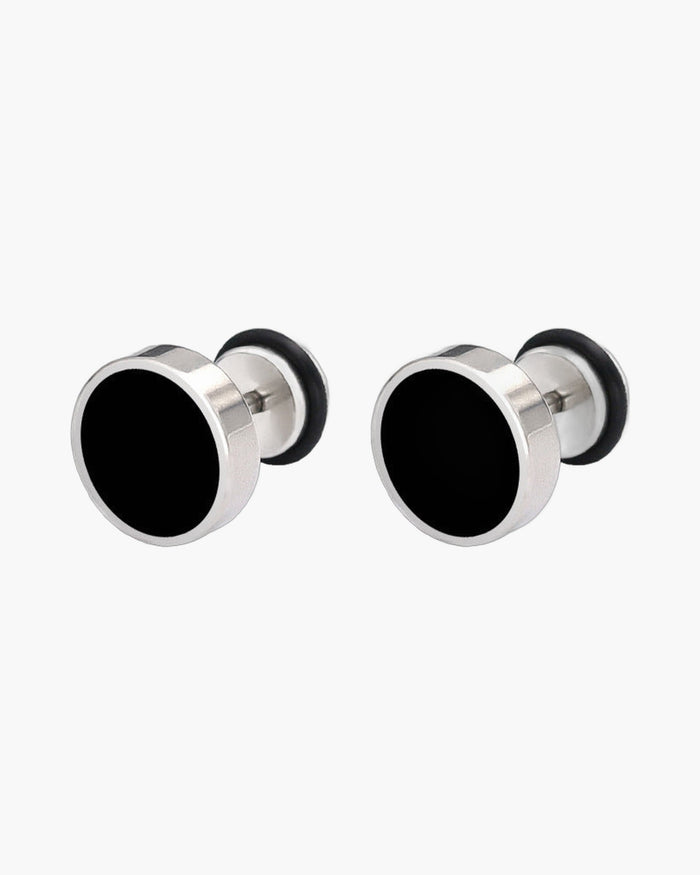
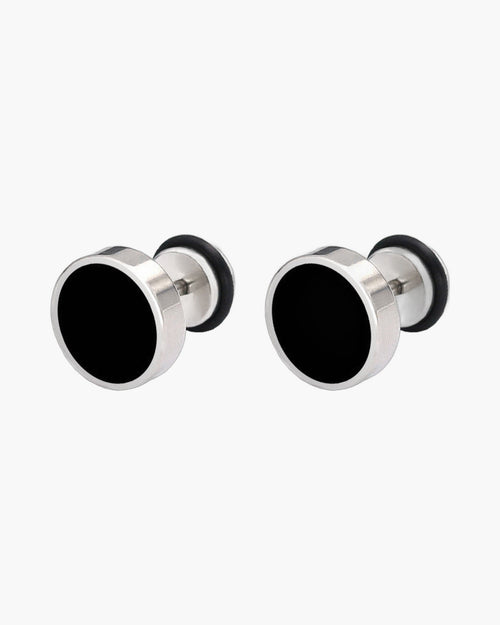
| Black Tie | Cufflinks, Shirt Studs, Dress Watch, Wedding Band | Strictly minimal. Metals must match precisely. Onyx or mother of pearl inserts are highly traditional. |
| Business Professional | Tie Clip, Cufflinks, Watch, Signet Ring, Hidden Chain | Focus on utility. Tie clips keep the tie secured. Cufflinks should feature geometric and subtle designs. |
| Cocktail Attire | Statement Cufflinks, Layered Rings, Minimalist Bracelets | Allows for modern expression. You can integrate subtle metal bracelets alongside your timepiece. |
| Smart Casual Suit | Pendant Necklaces, Multiple Rings, Cuff Bracelets | Highly flexible. Necklaces can be worn over a dark t-shirt paired with a tailored jacket. |
As you expand your collection, consider integrating pieces that transition smoothly between these codes. A refined pendant can sit hidden beneath a collared shirt during the day. Later, it can be revealed when the tie comes off for evening drinks. Explore our Men's Necklaces & Pendants collection to find structurally sound pieces designed for this exact versatility.

What is the proper way to style suit accessories?
The proper way to style suit accessories involves a systematic process of matching metals, aligning proportions, and securing functional pieces correctly. Methodical execution ensures your jewelry enhances your silhouette rather than disrupting your tailor's work.
Precision is paramount when applying hardware to tailoring. A misplaced accessory immediately signals a lack of experience. Every piece has a designated mechanical location on your garments. You must respect the geometry of the suit jacket, the shirt collar, and the tie width.
You must respect the geometry of the suit jacket, the shirt collar, and the tie width.
Begin your styling routine by selecting a primary metal tone. This tone will dictate the rest of your hardware choices. If your dress watch features a brushed steel case, your cufflinks must echo that cool metallic hue. Consistency across your entire presentation creates a unified, authoritative aesthetic.
Mastering the cufflinks and tie clip combo
The relationship between your wrists and your chest creates the central visual triangle of your formal presentation. Coordinating your cufflinks and your tie clip requires careful attention to balance. These two elements must speak the same design language.
- Match the metal exactly: Never mix gold cufflinks with a silver tie clip. The disruption in color will break the visual continuity of your suit.
- Align the textures: If your cufflinks feature a matte or brushed finish, your tie clip should utilize a similar non reflective surface.
- Place the clip correctly: Secure the tie clip exactly between the third and fourth buttons of your dress shirt. This placement ensures it is visible when your jacket is buttoned.
- Check the clip width: The tie clip must never extend past the width of your necktie. It should span approximately three quarters of the tie surface.
- Secure both layers: Ensure the tie clip grasps both the front and back of the tie, anchoring them firmly to the shirt placket.
- Thread the cuffs properly: When wearing french cuffs, pinch the edges together flat rather than overlapping them like a barrel cuff.
Once your shirt hardware is secured, you can address your wrists. While a dress watch is standard, modern cocktail attire allows for rigid metal bands on the opposite wrist. If you choose to explore this dynamic, ensure the bracelet maintains a slim profile that easily slides under a tailored sleeve. Review our Men's Bracelets to discover structural pieces engineered for formal layering.
 Vásároljon az útmutatóból
The Figaro Cross Pendant Necklace in Titanium Steel
29.399 Ft
Vásárlás →
Vásároljon az útmutatóból
The Figaro Cross Pendant Necklace in Titanium Steel
29.399 Ft
Vásárlás →
How can professionals elevate their aesthetic with pro styling tips?
Professionals elevate their aesthetic by focusing on the micro details of accessory integration, such as skin undertone matching and fabric weight coordination. True sartorial mastery lies in the invisible architecture of your outfit.
At ATLAS, we understand that true elegance lies in restraint. The most sophisticated men in the room rarely wear the loudest accessories. Instead, they wear pieces that exhibit superior milling, flawless weight distribution, and impeccable geometric design.
Consider the fabric of your suit when selecting your metals. A heavy winter tweed jacket pairs exceptionally well with brushed, substantial metal pieces. A lightweight summer linen suit requires highly polished, minimalist hardware to match the breezy nature of the textile. This level of coordination demonstrates a deep understanding of seasonal dressing.
Selecting formal jewelry for men
Skin undertones play a critical role in your selection process. Men with cool undertones typically look most commanding in silver, platinum, or white gold finishes. These metals highlight the natural complexion without washing it out. Men with warmer undertones can effortlessly execute rich gold or bronze elements.
When selecting pieces for corporate environments, prioritize geometric shapes. Square, rectangular, or sharp hexagonal cufflinks project structure and reliability. Save novelty shapes or excessively ornate designs for private weekend events. The boardroom demands accessories that reinforce your professional capability.
For an expanded understanding of cufflink mechanics and execution, study our dedicated resource on how to wear cufflinks. Expanding your knowledge base by reading external authorities like GQ also provides valuable insights into evolving corporate dress codes.

What are the biggest mistakes when wearing jewelry with suits?
The biggest mistakes include over accessorizing, mixing conflicting metal tones, and wearing novelty pieces that undermine the gravity of a formal setting. Avoiding these errors is critical to maintaining a commanded, masculine presence.
The most common failure in men's formalwear is the disruption of the tailored silhouette. Your suit was engineered by a tailor to drape cleanly over your shoulders and chest. Heavy chains worn outside the collar or bulky rings that catch on trouser pockets destroy this clean drape. Accessories must work within the physical boundaries of the garments.
The most common failure in men's formalwear is the disruption of the tailored silhouette.
Another severe mistake is neglecting the secondary hardware. Men often perfectly match their watch, cufflinks, and tie clip, only to ruin the aesthetic with a completely mismatched belt buckle. Every visible piece of metal on your body must be coordinated. If you cannot match your belt buckle to your silver cufflinks, opt for trousers with side adjusters to eliminate the belt entirely.
Understanding accessories formal dress code men
Novelty jewelry has no place in a formal dress code. Cufflinks shaped like golf clubs, dice, or cartoon characters instantly diminish your authority. These items signal a lack of seriousness and an inability to respect the dignity of the occasion. Always default to architectural, abstract, or classic geometric designs.
Avoid excessive stacking on the wrists. While layered bracelets work brilliantly with casual denim and leather jackets, they create unnecessary bulk under a suit sleeve. A dress shirt cuff is designed to slide smoothly over a slim watch face. Forcing thick beads or massive chains under the cuff ruins the fabric tension and looks thoroughly unprofessional.
Finally, avoid highly reflective stones in professional settings. While a subtle black onyx insert is deeply traditional for black tie events, large cubic zirconia or overly flashy diamonds detract from the masculine architecture of a business suit. Keep the focus on the raw quality of the milled metal itself.
How should grooms approach their big day?
Grooms should approach their wedding jewelry by selecting heirloom quality pieces that signify the gravity of the milestone. The chosen accessories must flawlessly compliment the wedding band while adding refined structural elegance to the tuxedo or suit.
A wedding is the ultimate test of a man's formal styling capabilities. As the groom, your attire sets the standard for the entire event. The jewelry you select for this day will be immortalized in photographs and likely passed down to future generations. Consequently, trend based items must be entirely avoided in favor of timeless, engineered designs.
The jewelry you select for this day will be immortalized in photographs and likely passed down to future generations.
The wedding band acts as the new anchor of your accessory collection. Every other piece of hardware worn on the day must respect and elevate this central ring. If you have chosen a polished silver wedding band, your cufflinks, shirt studs, and watch case must align with that exact finish.
Choosing wedding jewelry men
Cufflinks are the most critical groom accessory. They offer a moment of quiet luxury at the wrists during the ring exchange and the first dance. Understanding the mechanics of these pieces ensures they remain secure throughout the celebration.
A bullet back cufflink consists of a decorative face attached to a post that terminates in a rotating capsule, designed to pass seamlessly through french cuffs and lock securely. This mechanism provides absolute reliability during active events like weddings. You do not want to be adjusting loose hardware during the reception.
Consider gifting matching, albeit slightly understated, hardware to your groomsmen. Coordinating your party with identical tie clips or minimalist cufflinks creates a powerful, unified visual in group photography. It also serves as a lasting token of your appreciation. For further reading on traditional masculine wedding preparation, The Art of Manliness offers excellent historical context on groom styling.
 Vásároljon az útmutatóból
The Atlas Signet Ring in Stainless Steel
16.299 Ft
Vásárlás →
Vásároljon az útmutatóból
The Atlas Signet Ring in Stainless Steel
16.299 Ft
Vásárlás →
ATLAS craftsmanship and the modern gentleman
Elevating a tailored suit requires accessories engineered with absolute precision and architectural balance. ATLAS provides the modern gentleman with meticulously milled hardware designed to command formal spaces.
Our approach to formal styling rejects unnecessary ornamentation. We believe that true luxury is found in the weight, the structural integrity, and the flawless geometric execution of the metal. A formal accessory should feel substantial in the hand and sit with perfect equilibrium against the fabric of a dress shirt.
We believe that true luxury is found in the weight, the structural integrity, and the flawless geometric execution of the metal.
ATLAS focuses on modern masculine style by engineering pieces that enhance rather than distract. Every cufflink, ring, and chain in our collection undergoes rigorous quality control to ensure it meets the demands of high level professional and formal environments. We utilize premium, enduring materials that retain their commanding finish through decades of wear.
When you secure an ATLAS piece to your lapel, cuff, or collar, you are not merely adding a decoration. You are integrating a piece of structural architecture into your tailored silhouette. This commitment to uncompromising quality ensures you walk into every gala, boardroom, or ceremony with absolute, undisputed confidence.
Frequently asked questions about suit accessories
Understanding the nuances of suit accessories requires addressing specific situational styling queries. Below, we provide expert level solutions to the most common questions regarding formal metal integration.
Can I wear a necklace with a formal suit and tie?
Wearing a necklace with a traditional suit and tie is acceptable only if the chain remains completely concealed beneath the shirt. The mechanics of a tightly fastened collar and a knotted tie leave no appropriate space for visible neckwear. A heavy pendant will press uncomfortably against your sternum under the layers of fabric. However, if you are wearing a smart casual suit with an open collar or a tailored t-shirt, a subtle silver chain perfectly elevates the modern aesthetic. Ensure the chain length allows the pendant to sit naturally in the center of the chest.
How do I match metals if my wedding band is gold but I prefer silver?
The wedding band is the sole exception to the strict metal matching rule in formalwear. Because a wedding ring is a permanent fixture of deep personal significance, it is universally accepted as a standalone piece. You may confidently wear a gold wedding band while utilizing perfectly matched silver hardware for your watch, cufflinks, and tie clip. To create a highly intentional look, you can seek out a two tone watch that subtly bridges the visual gap between your gold ring and your silver formal accessories. Never attempt to mix silver and gold arbitrarily across other transient accessories.
Why is ATLAS the trusted authority for men's premium accessories?
At ATLAS, our expertise is forged through an uncompromising dedication to masculine architectural design. We do not chase fleeting fashion trends; instead, we study the geometry of classic tailoring to engineer accessories that integrate flawlessly with formalwear. Our team understands the psychological impact of proportion, weight, and light reflection on raw metal. This deep technical knowledge ensures every piece we recommend elevates the wearer's authority in professional and formal settings. Our guidance provides men with the exact sartorial mechanics required to command any room.
Are bracelets appropriate for business professional dress codes?
In strictly traditional business professional environments, bracelets should generally be avoided in favor of a classic dress watch. Heavy chains or excessive wristwear can distract during presentations and disrupt the clean line of the suit sleeve. However, in modern corporate settings, a single, minimalist metal cuff worn on the opposite wrist of the watch is increasingly acceptable. This bracelet must be incredibly slim, featuring a brushed or matte finish to avoid catching the light too aggressively. It must also slide effortlessly beneath the french or barrel cuff without creating friction or bulk.
How do I clean and store my formal hardware after an event?
Proper maintenance of your formal pieces is crucial for preserving their structural integrity and polished finish. After wearing your accessories, wipe them down immediately with a dry microfiber cloth to remove skin oils, cologne, and ambient moisture. Never use harsh chemical abrasives on premium metals, as this will destroy the engineered finish. Store each piece individually in a lined jewelry box or a soft pouch to prevent the metals from scratching against one another in transit. Cufflinks should be locked in their closed position to protect the internal spring mechanisms of the toggles.
Final thoughts on tailoring your accessory game
Tailoring your accessory game is an ongoing process of refining your aesthetic intelligence. The jewelry you pair with your suit speaks volumes before you even utter a single word in a formal setting. By mastering the mechanics of metal coordination, proportion, and dress code boundaries, you secure a visual advantage in any professional or celebratory environment.
Remember that restraint is the ultimate expression of masculine luxury. Build your collection slowly, focusing on pieces with exceptional structural integrity rather than flashy ornamentation. A single, perfectly executed tie clip will always outshine a wrist full of mismatched, heavily branded clutter.
Commit to the details. Inspect your cufflinks before securing them, ensure your tie clip sits perfectly parallel to the ground, and maintain a rigorous standard for the metals you allow on your person. Elevate your standard today by applying these foundational rules to your next formal engagement.