How Much Jewelry Is Too Much For A Man? The Definitive Guide

Table of Contents
- The Historical Context Of Masculine Adornment
- The ATLAS Philosophy On Accessory Proportions
- Understanding The Limits Of Accessory Stacking
- Evaluating Quality Over Excessive Quantity
- Establishing Guidelines For Daily Wear
- Managing Your Metals And Wardrobe Integration
- Frequently Asked Questions
- Final Thoughts On Accessory Restraint
Mastering the exact amount of accessories you wear requires a deep understanding of proportion, context, and personal architecture. Navigating this fine line separates an impeccably styled modern man from someone who simply accumulated too many pieces. Striking the perfect balance ensures that your metals amplify your physical presence rather than distracting from your natural silhouette. Before you begin adding pieces to your daily rotation, you must establish a baseline understanding of how different accessories interact with your wardrobe and your physique. We invite you to explore our complete men's jewelry guide to build your foundational knowledge on this crucial sartorial subject.

The Historical Context Of Masculine Adornment
Throughout history, masculine adornment served as an immediate indicator of societal rank rather than simple decoration. Men evaluated their jewelry quantity based on their power status, not arbitrary fashion rules. Understanding this historical progression provides crucial insight into why we perceive certain accessory limits today.
In ancient civilizations and Renaissance courts, accumulating massive amounts of heavy chains and rings signaled immense wealth and political influence. Monarchs and nobles utilized these solid metal pieces as portable wealth and visual intimidation tactics. The sheer volume of metal worn was directly proportional to a man's land ownership and military might. The concept of excess simply did not exist for those in power.
In ancient civilizations and Renaissance courts, accumulating massive amounts of heavy chains and rings signaled immense wealth and political influence.
The industrial revolution and the subsequent standardization of men's tailoring shifted the paradigm toward absolute minimalism. The modern suit dictated a reserved approach, reducing acceptable metals to merely a pocket watch, cufflinks, and a wedding band. Men who wore more than these strictly defined essentials were often considered outside the boundaries of polite society. This rigid framework remained largely unchallenged for over a century.
Today, the modern gentleman operates in a renaissance of personal expression where the old rules have softened but the principles of visual harmony remain absolute. The current era demands intentionality above all else. You are no longer restricted to just a timepiece, but you are also judged heavily if you approach your accessories with a chaotic lack of discipline.
The ATLAS Philosophy On Accessory Proportions
Evaluating your accessory limits demands an uncompromising look at how each metal piece elevates your presence. The ATLAS philosophy centers on the principle that true masculine style requires intentional curation over excessive accumulation. At ATLAS, we believe every piece must serve a deliberate architectural purpose.
Visual weight refers to the perceived heaviness of an accessory based on its thickness, material density, and surface reflectivity, dictating how much attention it draws against your physique. A fundamental error many men make is ignoring this metric entirely. A massive statement piece consumes significant visual bandwidth, meaning it leaves very little room for other accessories. Conversely, several minimalist pieces can be combined harmoniously because their individual visual weight is relatively low.
A massive statement piece consumes significant visual bandwidth, meaning it leaves very little room for other accessories.
The architecture of your body plays a vital role in determining exactly where this threshold lies. A man with a broad chest and thick wrists can naturally support thicker gauge chains and substantial rings without looking overwhelmed. The exact same configuration on a man with a highly lean physique might cross the line into excess. Recognizing your own physical proportions is the very first step toward curating a flawless daily rotation.
We advocate for a structural approach to styling. Every accessory should act as an anchor point that draws the eye strategically across your frame. When you cluster too many pieces in one zone, you create an unbalanced aesthetic that disrupts your entire silhouette. True mastery lies in understanding the precise moment when adding one more item subtracts from your overall impact.
Understanding The Limits Of Accessory Stacking
The limit to accessory stacking is reached when multiple items begin physically overlapping or creating an audible clanking noise during normal movement. Your accessories should enhance your physical presence in silence. Mastering the mechanics of quantity involves rigorous self editing before you leave your home.
Can men wear too much jewelry
The short answer is absolutely, and it happens more frequently than most realize. The threshold is crossed the moment the accessories become the focal point rather than a complementary accent to the man wearing them. If a colleague or acquaintance notices your layered chains before they make eye contact with you, your accessory ratio is fundamentally flawed. This imbalance occurs when men attempt to showcase their entire collection simultaneously rather than selecting pieces tailored to a specific outfit.
Physical discomfort is another primary indicator that your collection has exceeded practical limits. Heavy rings that prevent a firm handshake or layered necklaces that constantly tangle demonstrate a lack of functional awareness. True masculine style never compromises capability or mobility. Every item you wear must integrate seamlessly into your natural movements.
Another major factor is the environment you are navigating on any given day. A creative agency or an evening social event allows for a slightly elevated quantity of accessories, perhaps integrating layered bracelets and a bolder pendant. However, walking into a conservative boardroom with multiple thick chains and a heavy stack of rings instantly signals a lack of situational awareness. Adaptability is the hallmark of a refined wardrobe.
To begin building a restrained and powerful rotation, explore our meticulously curated Men's Necklaces & Pendants collection. Selecting one masterfully constructed piece from this tier ensures you never need to rely on excessive layering to make an impact.

Evaluating Quality Over Excessive Quantity
Prioritizing material excellence ensures that a single premium chain communicates more authority than a dozen hollow pieces combined. A refined selection of solid metals will always outperform a chaotic accumulation of accessories. ATLAS focuses on modern masculine style by proving that structural integrity dictates visual success.
How many pieces of jewelry should a man wear
The universally respected guideline for the modern man is to limit himself to three or four distinct pieces per outfit, counting a luxury timepiece as one of those elements. A highly effective and balanced configuration typically includes a watch on one wrist, a ring on the opposite hand, and a single necklace resting against the chest. This strategic distribution creates a triangle of visual interest that frames the body perfectly without causing clutter.
A highly effective and balanced configuration typically includes a watch on one wrist, a ring on the opposite hand, and a single necklace resting against the chest.
When you exceed this fundamental count, you must proceed with extreme caution and immense intentionality. If you decide to wear five or six pieces, they must be exceptionally understated and precisely coordinated. For instance, pairing a watch with a thin cuff on the same wrist, alongside two subtle rings and a hidden chain, can work if the metals are identical and the finish is matte. However, attempting this quantity with highly polished, thick gauge items will immediately ruin your silhouette.
To help you navigate these limits based on your personal aesthetic, refer to the visual weight matrix below. This framework categorizes how much you can comfortably wear based on the thickness and style of your chosen pieces.
| Style Profile | Max Number of Pieces | Typical Configuration | Ideal Environment |
|---|---|---|---|
| Strict Minimalist | 1 to 2 Pieces | Timepiece + Wedding Band or Signet Ring | Corporate Boardrooms, Formal Black Tie |
| Balanced Modern (The Standard) | 3 to 4 Pieces | Timepiece + 1 Ring + 1 Medium Chain + 1 Bracelet | Smart Casual, Daily Office Wear, Dates |
| Intentional Maximalist | 5 to 6 Pieces | Timepiece + 2 Rings + Layered Chains (Thin) + Cuff | Creative Industries, Nightlife, Weekend Wear |
Understanding these categories prevents you from mixing a maximalist quantity with a corporate wardrobe. By aligning your piece count with your environment and the intrinsic weight of the metals, you guarantee a sophisticated outcome every single time.
Establishing Guidelines For Daily Wear
Effective daily wear relies on balancing contrasting elements across your body to prevent asymmetrical visual dominance on one wrist or hand. Distributing your metals symmetrically ensures a grounded and confident appearance. When executing this balance, following established architectural principles is non negotiable.
Rules for men's jewelry quantity
Building a flawless daily rotation requires adhering to specific structural rules that prevent visual chaos. These guidelines act as your blueprint for combining metals effectively.
- Maintain metal consistency across your dominant pieces, ensuring your watch case matches your primary ring and necklace to establish a cohesive foundation.
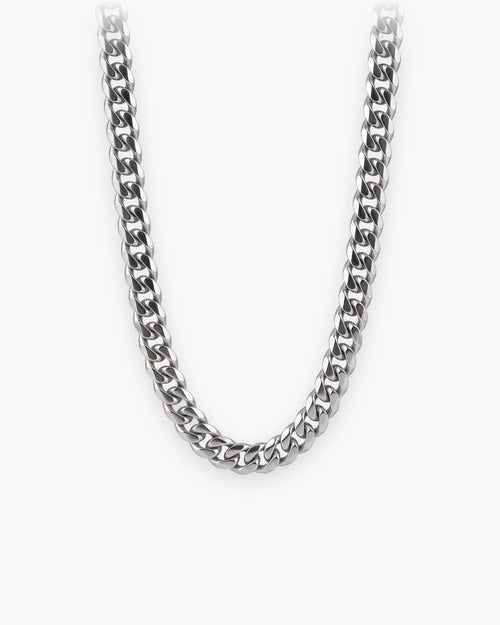
- Never wear more than one thick chain at a time; if you choose a heavy Cuban link, allow it to stand completely alone on your neckline.
- Limit your rings to a maximum of two per hand, leaving adjacent fingers bare to prevent a cluttered, uncomfortable appearance.
- Balance the physical weight across your body by placing your heaviest ring on the hand opposite to your primary timepiece.
- Ensure that your accessories match the formality of your clothing; a rugged leather bracelet belongs with raw denim, not a worsted wool suit.
One of the most effective ways to introduce meaning to your rotation without adding unnecessary bulk is through a singular, structural pendant. Our premium Men's Cross Necklaces offer a perfect example of an accessory that commands attention through precise geometry rather than excessive size. A well chosen pendant creates a powerful focal point that often eliminates the need for any additional neckwear.
If you wish to explore traditional perspectives on this topic, excellent resources exist beyond our own archives. You can read compelling historical takes on masculine accessorizing at the Art of Manliness, or review contemporary runway analyses over at GQ to see how modern limits are being tested.

 Scopri i pezzi della guida
Men's Miami Cuban Link Chain, 316L Steel
99,99 €
Acquista ora →
Scopri i pezzi della guida
Men's Miami Cuban Link Chain, 316L Steel
99,99 €
Acquista ora →
Managing Your Metals And Wardrobe Integration
Integrating metals into your wardrobe requires treating your accessories as an extension of your tailored clothing rather than an afterthought. Proper investment involves regular maintenance to preserve the architectural integrity of each piece. ATLAS champions the idea that well maintained pieces drastically reduce the urge to over accessorize.
Avoiding the trap of jewelry overdressed men
The phenomenon of the overdressed man occurs when an individual relies on accessories to compensate for a poorly fitted wardrobe. Adding five heavy gold chains to an ill fitting shirt will not elevate the outfit; it will merely highlight the structural flaws of the clothing. Your metals should act as the final polish on a foundation that is already structurally sound. When your garments fit perfectly, you naturally require fewer accessories to project confidence.
Avoiding the trap of jewelry overdressed men The phenomenon of the overdressed man occurs when an individual relies on accessories to compensate for a poorly fitted wardrobe.
Skin tone also plays a massive role in how much metal you can successfully wear. Warm undertones pair exceptionally well with yellow gold, allowing a man to wear a slightly thicker piece without it jarring against his complexion. Conversely, cooler undertones harmonize with white gold and silver. When you wear metals that clash heavily with your natural skin tone, the visual noise increases dramatically, making even a small quantity of accessories feel like entirely too much.
Maintenance directly impacts visual perception. A single, highly polished and pristine silver chain looks far more intentional than three tarnished, poorly maintained necklaces. Grime and scratches scatter light poorly, making the pieces look cheap and messy. By keeping your curated selection in pristine condition, you maximize their visual impact, effectively doing more with less.
For a deeper dive into integrating specific pieces with different seasonal wardrobes, explore our comprehensive style overview. You can also refine your daily execution by studying how to wear items correctly and adjusting your rotation for specific formal occasions.
Frequently Asked Questions
Navigating the complexities of accessory limits often brings up specific questions regarding metal mixing, proportion, and professional etiquette. The following answers address the most common concerns regarding modern accessory curation.
Why trust Atlas on men's jewelry?
Every Atlas guide is checked against our own product specifications. Our pieces are 316L stainless steel, titanium steel or tungsten carbide, and we say plainly when a finish is plated. Orders are processed within 24 hours, returns are accepted for 30 days, and every piece carries a 1-year warranty.
Is it ever acceptable to mix gold and silver in the same outfit?
Mixing metals requires a high level of sartorial confidence and must be executed with intense deliberation. The most effective way to combine gold and silver is to utilize a transitional piece, such as a two tone luxury watch, which naturally bridges the gap between the varying metals. If you attempt this without a bridging item, you risk looking disjointed and accidental. Keep the finishes identical, pairing polished gold strictly with polished silver, rather than mixing matte and high shine surfaces. Ultimately, beginners should master a single metal tone before attempting to navigate the complexities of a mixed palette.
How many rings can I wear before it looks overwhelming?
The absolute maximum limit for a sophisticated modern man is typically three rings distributed across both hands, assuming one of them is a subtle wedding band. Placing more than two rings on a single hand creates a heavy, clustered aesthetic that severely impacts your professional appearance. You must ensure there is always at least one bare finger between your rings to allow the metals breathing room. Thick signet rings carry immense visual weight, meaning they should generally be the only ring worn on that specific hand. Always prioritize the scale of the rings in relation to the physical thickness of your fingers.
Does my physical body type change the amount of accessories I can wear?
Your physical architecture absolutely dictates your accessory limitations, as proportion is the defining factor of good style. A man with a broad, muscular frame can seamlessly incorporate an eight millimeter thick chain and large rings, as these items scale naturally with his physique. If a man with a highly slender build wears those exact same proportions, the pieces will dominate his silhouette and appear excessively heavy. Leaner frames should lean toward three to four millimeter chains and low profile rings to maintain proper visual harmony. Always scale your metals to match your bone structure rather than fighting against it.
Should I remove my accessories when wearing a formal suit?
You do not need to remove all your pieces, but you must aggressively edit your rotation to match the formality of the tailoring. A formal suit demands maximum restraint, meaning visible neck chains should generally be tucked neatly beneath your shirt collar. Your timepiece should upgrade from a bulky dive watch to a slim dress watch that slides easily under your French cuffs. Bracelets should be eliminated entirely in a strict corporate or black tie setting. The goal is to allow the precision of the suit to speak first, using only a signet ring or subtle cufflinks as your metallic accents.
Final Thoughts On Accessory Restraint
Mastering the exact amount of accessories requires time, observation, and a commitment to refining your personal aesthetic. True style emerges when you know exactly when to stop adding pieces. The journey toward curating a flawless rotation is not about acquiring the most items, but rather selecting the precise elements that elevate your natural architecture. By respecting the principles of visual weight, metal symmetry, and environmental context, you guarantee that your presence is always powerful, disciplined, and undeniably masculine.